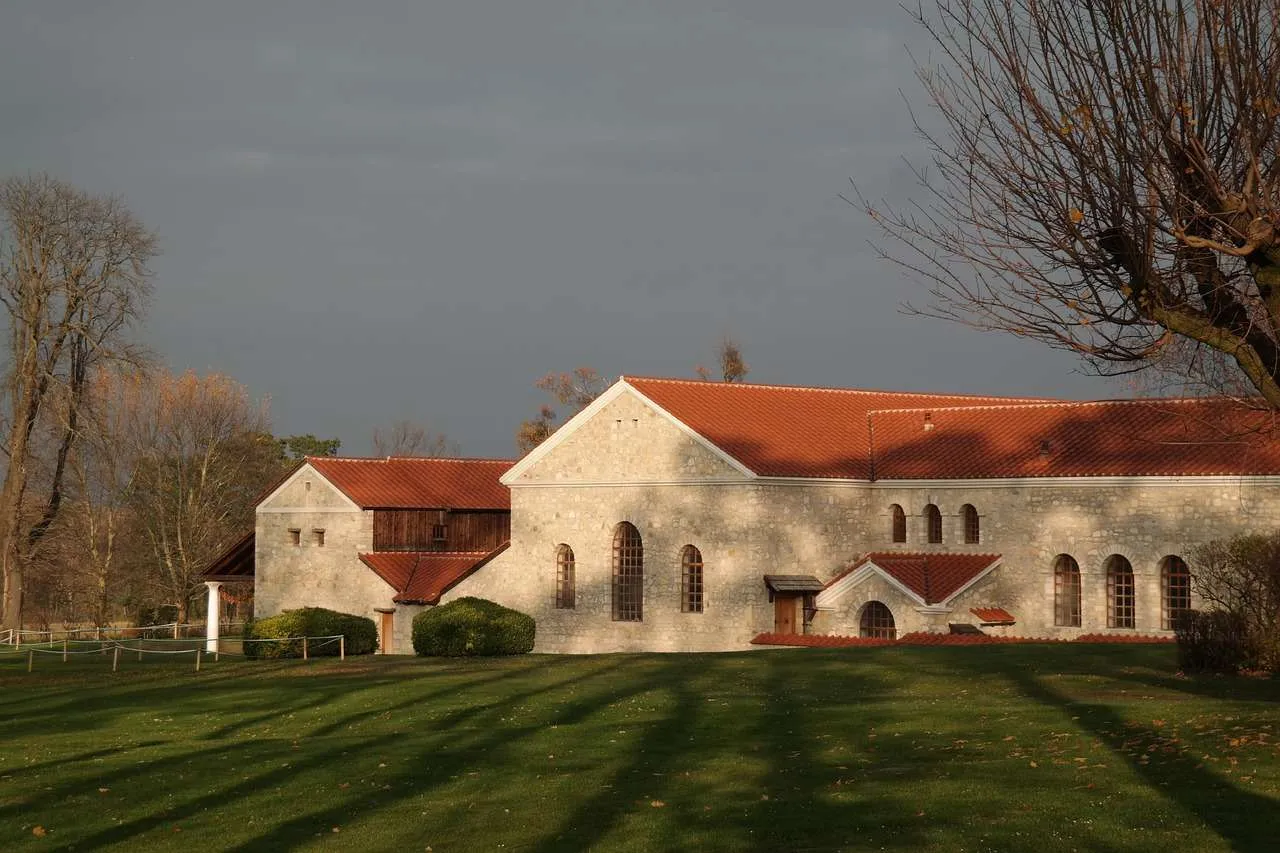
Roofing and Roof Repairs: Expert Guide
By
Isabella
Published on
October 24, 2023
Read time
3 min read

Roofing protects your home from the elements and adds value to the property. This guide addresses roofing and roof repairs, practical steps to identify issues, and how to hire qualified professionals.
Understanding Roofing and Roof Repairs
Roofing involves the layers that shield your home, including underlayment, shingles or tiles, flashing, and vents. When damage occurs, roof repairs restore performance by sealing leaks, replacing damaged shingles, or correcting flashing misalignments.
When to Schedule Roof Repairs
Identify signs early to prevent costly damage. Look for:
- Missing or curling shingles
- Visible granules in gutters
- Light shining through attic rafters
- Leaks after rain or during heavy snow
- Ice dams forming at eaves
Proactive vs Reactive
Regular inspections twice a year can catch hidden issues before they escalate. A small patch now can save a full replacement later.
Choosing a Roofer
Trust and transparency are essential. Follow these EEAT-focused steps to hire confidently:
- Verify licenses and insurance coverage
- Request a written estimate and detailed scope
- Review a portfolio of completed roofs and customer references
- Confirm warranties on workmanship and materials
- Check certifications from manufacturers (for example GAF or CertainTeed)
- Ask about safety protocols and site cleanliness
Common Types of Roof Repairs
Most repairs fall into a few categories. Understanding them helps you discuss options with your roofer:
- Shingle replacement and reattachment
- Flashing repair around chimneys, vents, and transitions
- Leak sealing and flashing resealing
- Vent boot replacement and pipe sealing
- Deck and underlayment patching where water has penetrated
Cost Considerations and Budgeting
Repair costs vary by material, extent, and region. Typical ranges include:
- Minor leak fix: 200–500
- Single shingle repair: 150–350 per patch
- Flashing repair: 300–800
- Vent boot replacement: 250–600
- Partial roof repair: 1,000–3,000
- Full roof repair vs replacement: 5,000–15,000+
Maintenance and Prevention
Prevention reduces repair frequency and extends roof life. Consider:
- Biannual inspections and after-storm checks
- Clean gutters and remove debris
- Trim overhanging branches and ensure proper drainage
- Address attic ventilation to prevent moisture buildup
- Keep an up-to-date warranty and maintenance record
Emergency and Insurance Considerations
In a storm, take safety first and document damage with photos. Contact your insurer promptly to understand coverage for roof repairs and required timelines. Retain receipts and ensure the contractor provides lien waivers and warranties.
DIY vs Professional
Most roof repairs are safer and more durable when performed by professionals. Do-it-yourself work can void warranties and increase risk when ladders, heights, or flashing are involved. If you choose DIY for small tasks, ensure you have proper protective equipment and knowledge of roof safety.
Comparison of Repair Options
| Repair Type | Typical Cost Range | Pros | Cons |
|---|---|---|---|
| Minor leak fix | 200–500 | Fast, minimizes damage | Temporary if underlying issue persists |
| Shingle replacement | 150–350 per patch | Restores surface | May require multiple patches |
| Flashing repair | 300–800 | Prevents leaks at joints | Can be complex |
| Vent boot replacement | 250–600 | Stops leaks around vents | Occasional reseals needed |
| Partial roof repair | 1,000–3,000 | Preserves most of existing roof | Costs can rise with extent |
| Full roof repair vs replacement | 5,000–15,000+ | High durability depending on scope | Most costly option |
Conclusion
Conclusion, Roofing and roof repairs demand timely action, professional guidance, and preventive care. By recognizing signs early, choosing a qualified roofer, and understanding repair options and costs, you can protect your home, extend roof life, and maintain value with confidence.